 Nov 28, 2025
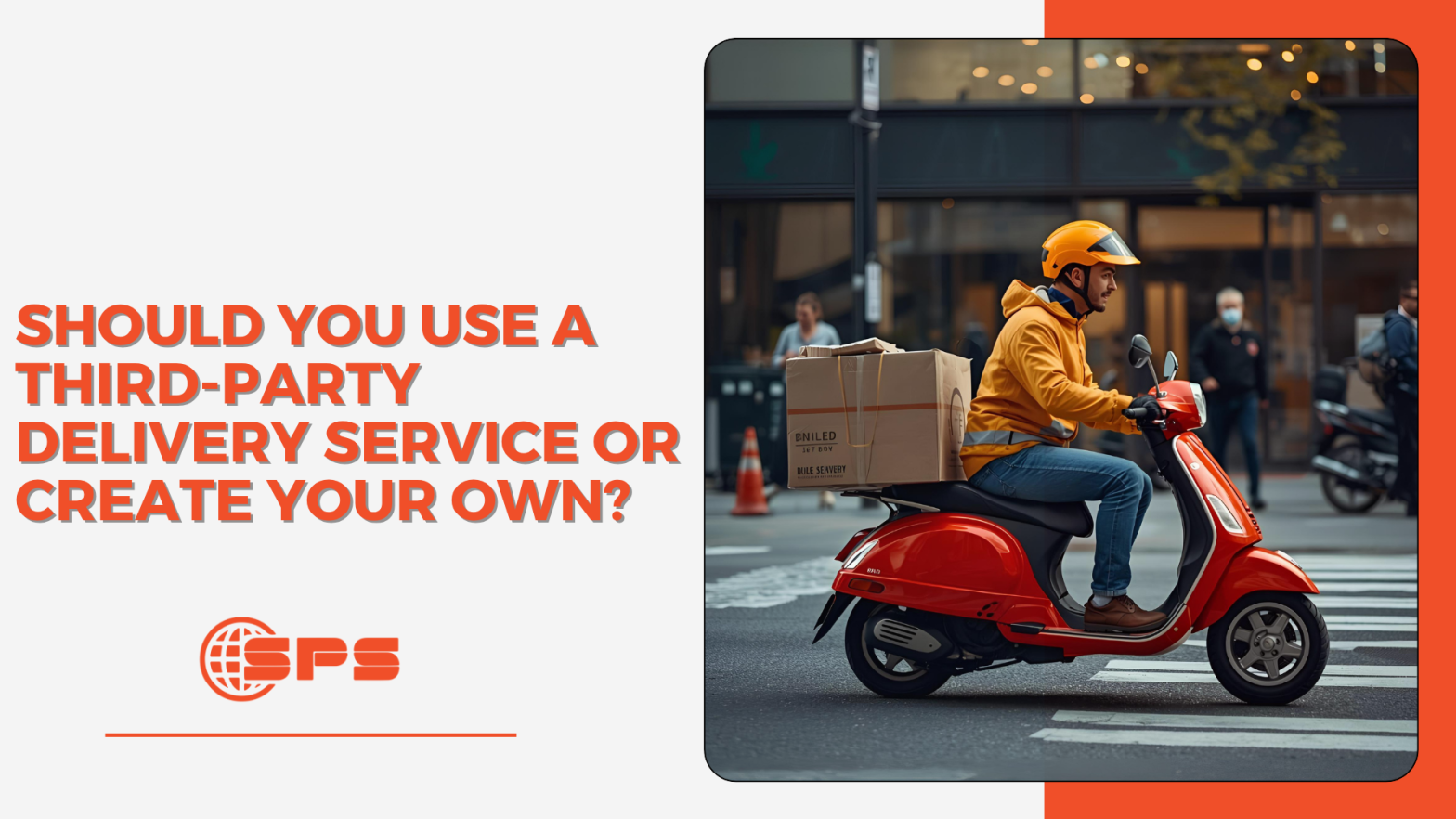
Should You Use a Third-Party Delivery Service or Create Your Own?
When it comes to delivering products to customers, businesses face a critical decision: should they rely on a third-party delivery service or develop an in-house system? Each option has its own set of advantages and challenges, and the choice largely depends on the specific needs of your business. Understanding the pros and cons of both approaches can help you make an informed decision that aligns with your operational goals.
Using a Third-Party Delivery Service
Third-party delivery services, such as DoorDash, Uber Eats, and Grubhub, provide businesses with a convenient solution to handle deliveries. These services have established networks of drivers, making it easy for businesses to tap into their customer base without managing the logistics themselves.
Advantages:
- Broad Reach: Third-party services offer immediate access to a large customer base, helping businesses expand their reach quickly without investing in marketing or building a customer network.
- Low Upfront Costs: Unlike creating your own delivery system, using a third-party service requires minimal investment. There’s no need to purchase vehicles, hire delivery staff, or develop logistics software.
- Convenience: The third-party service handles most of the operational aspects, such as driver management, tracking, and customer support, allowing businesses to focus on core activities like product development and sales.
Challenges:
- Service Fees: Third-party services typically charge a commission or delivery fee, which can eat into profit margins. Depending on the service, these fees can be as high as 30% of the delivery cost.
- Lack of Control: Using a third-party service means giving up some control over the delivery process. Businesses have less influence over delivery times, quality, and customer experience.
- Branding Issues: The customer might associate the delivery experience more with the third-party service than with your business, limiting the opportunity to reinforce your brand.
Creating Your Own Delivery System
Building an in-house delivery system means managing your own fleet of drivers and handling the logistics internally. This option requires more initial effort but offers greater long-term control.
Advantages:
- Complete Control: An in-house system allows businesses to have full control over delivery times, routes, and customer interactions, ensuring a consistent experience aligned with their brand.
- Cost Savings in the Long Run: While setting up your own system involves higher startup costs (e.g., vehicles, drivers, and logistics software), it can save money in the long term by eliminating third-party service fees.
- Improved Customer Experience: Direct interactions with customers offer opportunities to provide personalized service, address concerns immediately, and build customer loyalty.
Challenges:
- High Initial Investment: Setting up an in-house system requires significant investment in vehicles, hiring drivers, and acquiring the necessary software and technology for route management and tracking.
- Operational Complexity: Managing a delivery team adds complexity to business operations. Scheduling, route planning, and customer service must all be handled internally, which can increase workload.
- Scaling Challenges: Expanding an in-house delivery system can be difficult as it requires more drivers, vehicles, and infrastructure, especially if your business operates in multiple regions or experiences rapid growth.
Making the Right Choice
The decision to use a third-party delivery service or create an in-house system depends on several factors, including the size of your business, the frequency of deliveries, and your long-term growth strategy:
- Small businesses or startups may find third-party services to be a more cost-effective and scalable option as they don’t need to worry about managing deliveries themselves.
- Larger businesses with frequent or complex delivery needs may find it more beneficial to build their own system, which gives them greater control and the ability to scale more easily.
- Hybrid Approach: Many businesses use a combination of both methods – third-party services for peak periods or areas outside of their delivery radius, and in-house deliveries for local or regular customers.
By evaluating your operational requirements, customer expectations, and financial resources, you can choose the option that best suits your business, ensuring both efficient delivery and an enhanced customer experience.
For businesses looking to optimize their payment solutions, Stellar Payment Systems offers integrated POS systems that support delivery services and streamline operations.
To learn more, visit Stellar Payment Systems.
#DeliveryServices #BusinessGrowth #ThirdPartyDelivery #InHouseDelivery #Automation #POSSystem #PaymentSolutions #StellarPaymentSystems #Ecommerce #CustomerExperience #Logistics #BusinessOptimization #Entrepreneurship #SmallBusiness
