 Mar 1, 2026
How POS Systems Help You Track Sales Performance
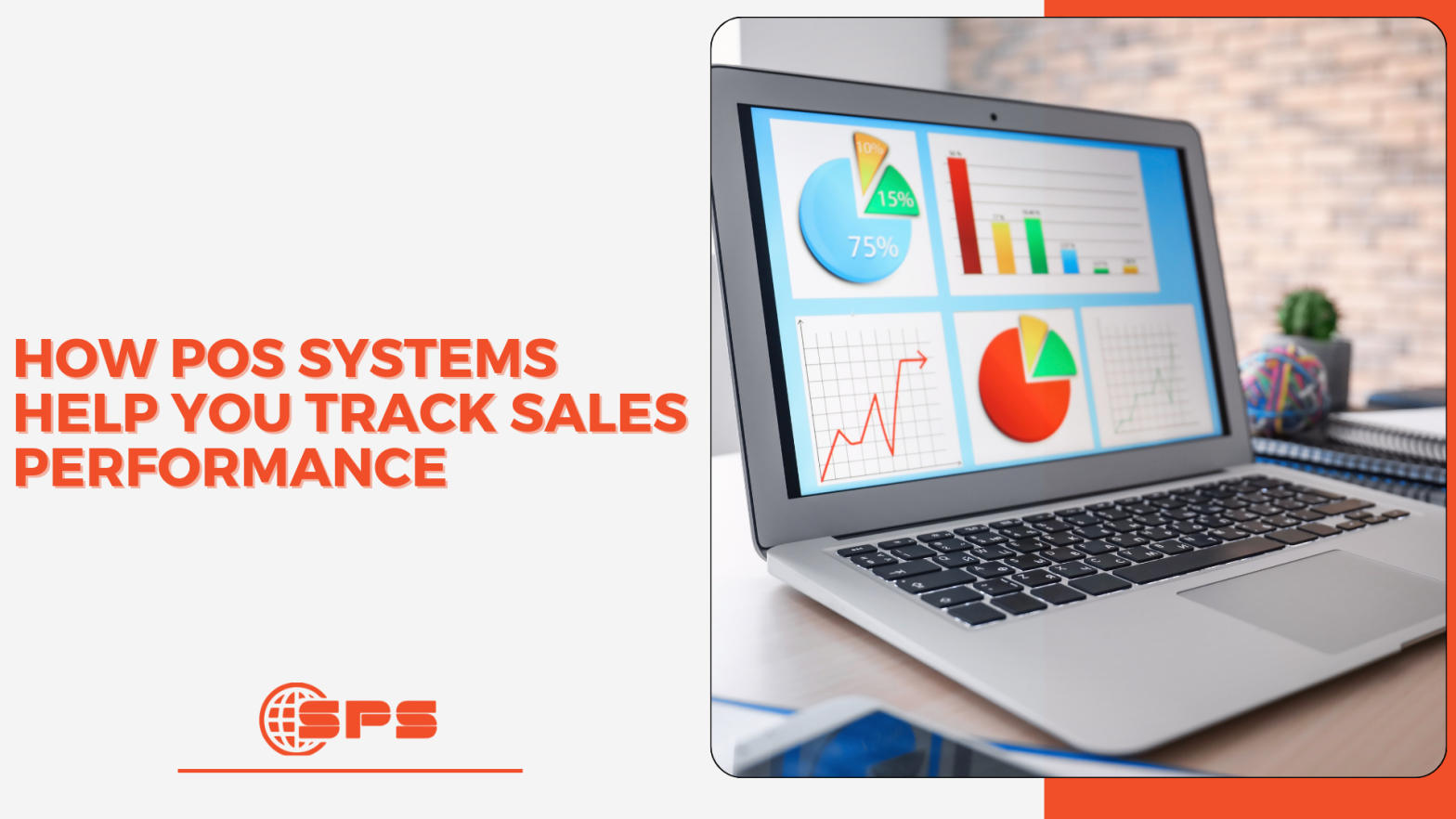
POS systems have come a long way from merely processing transactions to becoming powerful tools that help businesses track and enhance their sales performance. Today, a modern POS system offers valuable insights and functionality that enable businesses to manage their sales more effectively. Here’s how POS systems help you track sales performance and boost your business.
1. Real-Time Sales Data
One of the key benefits of a POS system is the ability to access real-time sales data. As each transaction occurs, the system instantly records key sales details like total amount, items sold, payment methods, and transaction time.
- Instant Insights: This allows business owners to quickly assess how much revenue has been generated in a day, week, or month.
- Identifying Peak Sales Periods: The data helps you pinpoint the busiest times of the day or week, allowing you to adjust staffing and inventory levels accordingly.
This immediate access to sales data enables quick, informed decisions, allowing business owners to stay on top of their sales performance.
2. Sales Reporting and Analytics
POS systems come with robust reporting and analytics features that provide in-depth insights into sales performance. These reports include:
- Sales by Item: Track the performance of individual products, helping you understand which items are selling well and which aren’t.
- Sales by Employee: Monitor which sales representatives are driving the most revenue, allowing you to assess performance and identify top performers.
- Sales Trends: Track trends over time to understand how sales fluctuate due to seasonality, promotions, or other factors.
These analytics give you the data needed to refine your sales strategies, adjust pricing, and optimize your product offerings.
3. Inventory Management Integration
A POS system is closely integrated with inventory management, making it easier to track sales performance and stock levels simultaneously. By linking sales transactions with inventory data, POS systems automatically update stock levels in real time.
- Tracking Fast-Moving Products: With inventory management features, POS systems allow you to track which products are selling quickly and which aren’t, helping you manage stock levels more efficiently.
- Reordering Stock: The system helps you set automatic reorder alerts when inventory runs low, ensuring you never run out of high-demand products.
- Sales vs. Inventory Analysis: Comparing sales to inventory levels gives you insights into whether your products are moving as expected and if inventory adjustments are necessary.
This integration helps streamline inventory management and ensures that you have the right products available to meet customer demand.
4. Customer Purchase Behavior Tracking
Many advanced POS systems track customer purchase behavior, providing valuable insights into customer preferences and buying habits.
- Personalized Recommendations: By analyzing customers’ past purchases, POS systems can suggest products they may be interested in, encouraging additional sales.
- Loyalty Programs: POS systems help track customer loyalty, making it easy to reward repeat customers with discounts or points, boosting retention.
- Evaluating Promotions: By analyzing the effectiveness of promotional campaigns, POS systems help you assess which promotions drive the most sales.
These insights allow businesses to create personalized marketing strategies, improve customer relationships, and ultimately increase sales.
5. Sales Performance by Channel
For businesses that sell through multiple channels—such as physical stores, online platforms, or mobile apps – POS systems help track sales across all channels, giving you a complete view of your business performance.
- Omni-Channel Insights: POS systems integrate data from all sales channels, allowing you to see which platforms are driving the most revenue.
- Channel-Specific Reports: By generating reports for each channel, POS systems help you identify which platform needs more attention or marketing support.
- Seamless Integration: POS systems enable you to manage inventory, pricing, and promotions across all channels from one centralized system.
By tracking sales performance by channel, businesses can optimize each platform to maximize revenue and improve overall sales performance.
6. Employee Performance Tracking
POS systems also allow you to track individual employee performance, providing insights into how well your sales team is performing.
- Sales Goals and Targets: POS systems can track employee sales against targets, motivating staff and ensuring they meet their objectives.
- Commission Tracking: For businesses that offer commissions, POS systems automatically calculate commissions based on sales performance.
- Training Opportunities: If certain employees consistently underperform, POS data can highlight areas where additional training or support is needed.
This feature helps businesses recognize top performers, encourage healthy competition, and address areas for improvement within the sales team.
Conclusion
POS systems are essential for businesses looking to track and improve their sales performance. With real-time sales data, detailed reporting, inventory integration, and customer insights, POS systems empower businesses to make informed decisions and optimize their operations. Whether you’re tracking employee performance, analyzing sales trends, or forecasting future revenue, a modern POS system is invaluable for any business looking to stay competitive and maximize sales performance.
Stellar Payments offers advanced POS systems designed to streamline your sales processes, reduce transaction fees, and enhance overall business performance.
Learn more about how Stellar Payments can transform your business at www.stellarpayments.com
#POS #SalesPerformance #BusinessGrowth #PaymentSolutions #StellarPayments #SmallBusinessTools #POSSystems #SalesOptimization
